

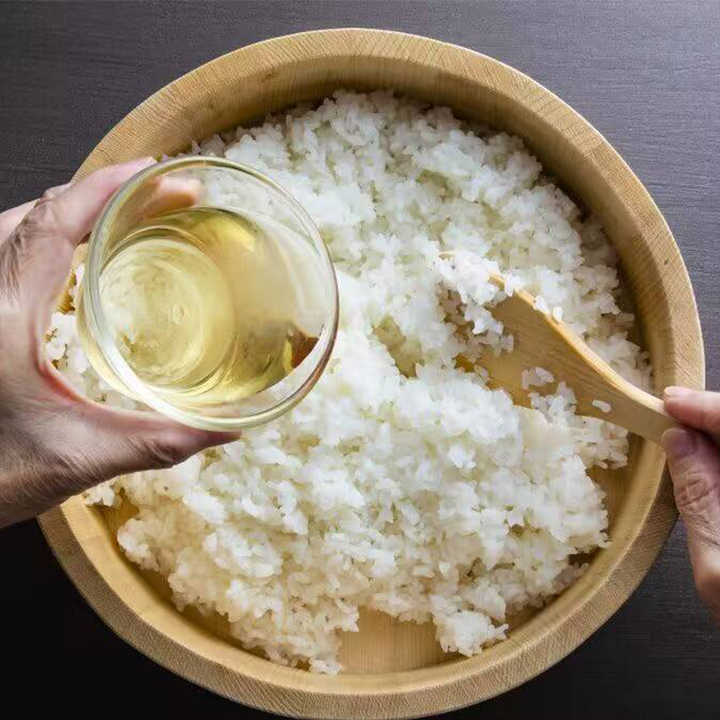
Beijing, China Jan 3, 2026 (Issuewire.com) - As the international sushi market transitions toward a more systematic approach to culinary consistency, the role of foundational seasoning agents has undergone a significant re-evaluation. Beijing Shipuller Co., Ltd. has prioritized the technical refinement of its Yumart Sushi Vinegar, a complex, naturally fermented rice vinegar specifically formulated to regulate the biochemical properties of sushi rice (shari). Within this specialized supply chain, the organizations high-capacity China Sushi Nori Factory operations provide the indispensable roasted seaweed sheets that serve as the structural framework for these vinegared rice grains. This sushi vinegar is not merely a flavoring agent; it is a bio-stabilizer that ensures the granular separation and pearlescent luster required in professional environments. By focusing on these functional properties, the Yumart brand offers a scalable solution for international franchises that must maintain precise flavor calibration across diverse continents while adhering to rigorous international quality management protocols.
Part I: Industry PerspectiveThe Structural Engineering of Modern Sushi
The international landscape for Japanese cuisine is defined by a shift toward functional ingredients that solve operational challenges in the retail and delivery sectors. A primary hurdle in the current global market is the management of rice texture within the cold chain. When sushi enters the retail sector, the natural aging (retrogradation) of starch often leads to a hard, unpalatable texture. Modern sushi vinegar has moved beyond simple flavoring to function as a moisture-locking agent. Through its precise acidity regulation, it slows down the crystallization of rice starch, ensuring that "grab-and-go" sushi maintains its soft mouthfeel even after hours in a refrigerated display.
Furthermore, global procurement is moving toward "Modular Sourcing." International buyers now prioritize partners who can provide the "Sushi Essentials"the vinegar, the rice, and the seaweedfrom a single, verified source. By sourcing from a specialized China Sushi Nori Factory and a centralized vinegar production base under the Yumart brand, restaurant groups can digitally map the safety documentation of their entire menu through integrated B2B platforms, reducing the administrative burden of international trade.
Part II: Technical Deep-DiveThe 5 Fundamental Functions of Sushi Vinegar
The application of Yumart Sushi Vinegar involves five critical biochemical and sensory roles essential for the preparation of professional-grade sushi rice. These functions are verified through the brand's long-standing focus on fermentation science and industrial performance.
1. Enzymatic Texture Stabilization and Grain Definition
The specific acetic acid concentration in the vinegar interacts with the surface proteins and starches of the rice. This interaction prevents individual grains from collapsing into a homogenized, mushy mass. By maintaining a specific pH threshold, the vinegar ensures "granular separation," allowing each grain to remain distinct and firm. This is the hallmark of high-quality shari, providing the necessary aeration within a sushi roll that defines the professional dining experience.
2. Prevention of Starch Retrogradation for Cold-Chain Stability
One of the most vital technical functions of Yumart Sushi Vinegar is its role as an anti-aging agent for rice starch. As rice cools, starch molecules tend to re-align and crystallize, causing the rice to become hard and brittle. The organic acids and balanced sugar content in the vinegar act as a barrier to this process, locking in moisture at a molecular level. This ensures that sushi served in chilled retail environments or through long-distance delivery retains the elastic, tender texture of freshly seasoned rice.
3. Optical Refraction and the "Pearlescent Luster"
The vinegar creates a microscopic, uniform film over each grain of rice. This film alters the way light reflects off the surface of the shari, producing a translucent, pearlescent glow. In the professional sushi industry, this "luster" is a primary visual indicator of freshness. Without the correct vinegar formulation, rice can appear dull and opaque, which negatively impacts the perceived value and quality of the final dish in a competitive market.
4. Biological Mitigation and Natural Preservation
Beyond flavor, the acidity of the vinegar functions as a natural microbial barrier. By lowering the pH of the cooked rice to a level typically below 4.6, it creates an environment that inhibits the growth of common foodborne pathogens. This biological function is critical for food safety compliance, particularly in high-volume hospitality environments where rice may be held at room temperature during active service periods to maintain its ideal serving texture.
5. Molecular Masking and Palate Calibration
The fermentation by-products in rice vinegar effectively neutralize volatile nitrogen compounds, such as trimethylamine, which are responsible for "fishy" odors in seafood. By masking these aromas, the vinegar ensures the final dish maintains a clean, ocean-fresh scent. Simultaneously, the acidity provides the "brightness" needed to cut through the heavy fats of ingredients like salmon or avocado, resetting the consumer's palate and enhancing the overall flavor profile of the meal.
Part III: Institutional Capability and Strategic Global Solutions
Since its establishment in 2004, Beijing Shipuller Co., Ltd. has functioned as a "Culinary Solutions Architect" for the global market. Under the Yumart brand, the organization leverages a robust network including 9 specialized manufacturing bases and 280 joint factories to maintain a stable export presence in 100 countries.
Strategic Logistics: The LCL Consolidation Protocol
The organization has revolutionized the procurement cycle through its "One-Stop" logistical model. Wholesalers can consolidate their China Sushi Nori Factory orders with liquid assets like sushi vinegar and soy sauce into a single Less than Container Load (LCL) shipment. This reduces the financial burden of overstocking and minimizes the administrative complexity of managing multiple international port entries.
Application Scenarios and Market Presence
Yumart foundational ingredients are utilized across the most demanding tiers of the global food industry:
Industrial Food Processing: Manufacturers of chilled sushi kits utilize the high-stability vinegar to extend the textural quality of their products in the retail cold chain.
Professional HORECA: Global hotel groups and sushi franchises rely on the brand for batch-to-batch consistency, ensuring that the shari in different global branches tastes identical.
Global Trade Engagement: Through annual participation in major forums such as Anuga, Gulfood, and SIAL, the organization ensures its formulations stay ahead of the latest international food safety regulations and culinary trends.
Conclusion
As the global sushi market matures, the distinction between a commodity and a functional culinary tool has become the primary driver for business success. Beijing Shipuller Co., Ltd. remains at the forefront of this evolution, providing a reliable bridge between traditional fermentation science and modern industrial requirements. Through the Yumart brand, the organization ensures that its sushi vinegar and nori meet th highest international benchmarks of performance. By offering a "One-Stop" solution that combines manufacturing excellence with logistical innovation, Yumart continues to empower businesses to deliver professional-grade sushi experiences to an increasingly discerning global audience.
For more information on product specifications, quality certifications, or to request a customized LCL supply solution, please visit the official corporate website: https://www.yumartfood.com/
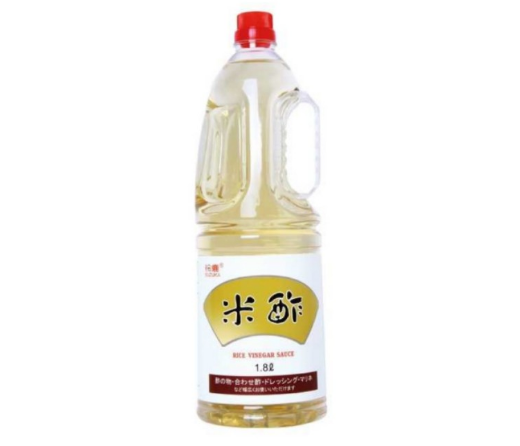
Source :Beijing Shipuller Co., LTD
This article was originally published by IssueWire. Read the original article here.

1 month ago